Discover Roofer for Leak Fixes
Tips for Spotting Roof Damage: Evidence You Require a Competent Roofing Company
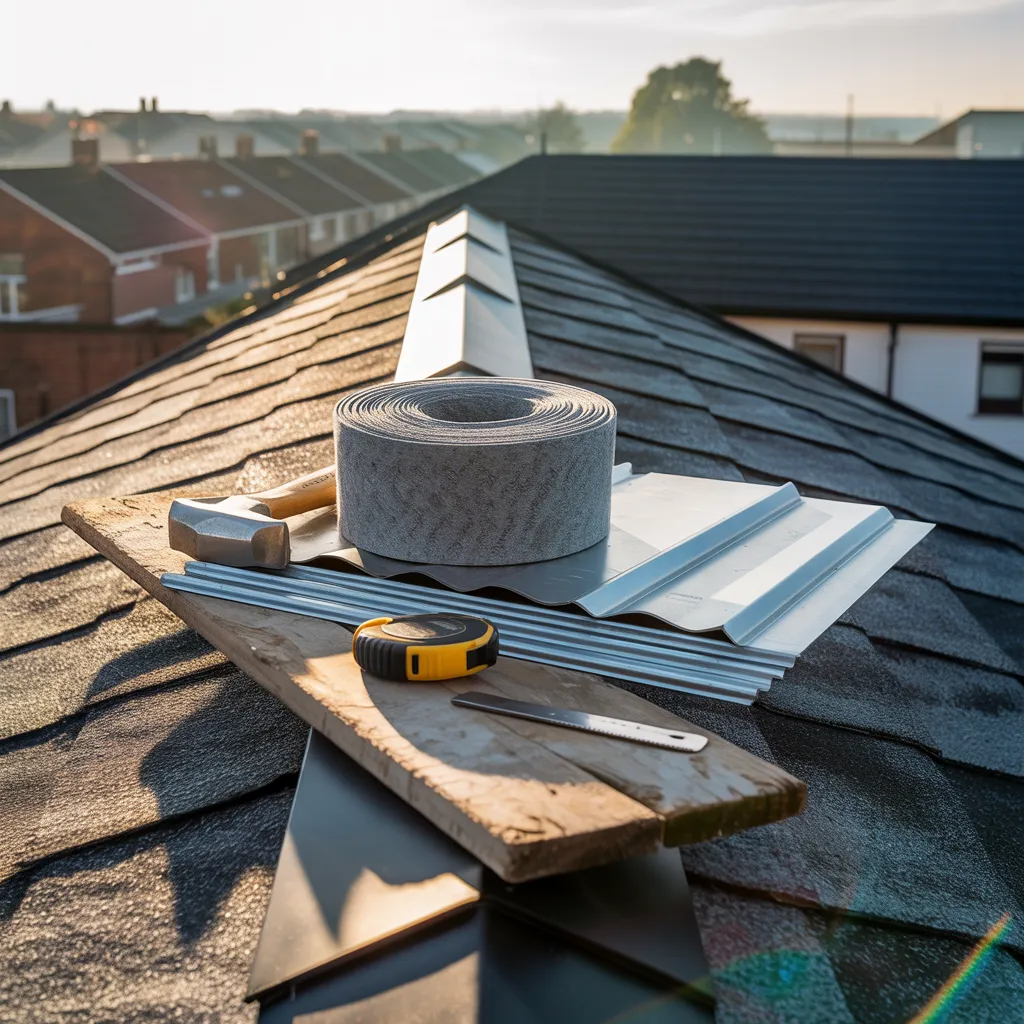
Identifying roof damage promptly is essential for protecting a home's value. Homeowners should be vigilant for indicators such as absent roof tiles, water stains, or drooping sections. Regular inspections can help identify issues before they escalate. However, many may overlook hidden damage or downplay the dangers of DIY repairs. Understanding the signs that require professional intervention can lead to improved maintenance decisions. What are the key warning signs that suggest it's time to call in the experts?
Steps for Spotting Roof Damage Early
When property owners consistently check their roofs, they can detect problems quickly and avoid costly repairs. A comprehensive inspection should include looking for damaged or split shingles, as these can expose the underlying structure to moisture. Property owners should also look for granule loss, which can suggest wear and tear. Additionally, inspecting flashing around chimneys and vents is crucial, as damaged flashing may cause leaks.
Another vital aspect is evaluating the condition of gutters and downspouts, ensuring they are free of debris. Signs of water stains on overhead surfaces or walls inside the home can also indicate roof problems. Homeowners should monitor drooping sections, which may point to foundation issues. By conducting these routine checks and recording any abnormalities, homeowners can take proactive measures, obtaining expert help when necessary to resolve potential roof damage before it worsens.
How Weather Impacts Your Roof
Weather is a crucial factor in the structural soundness of a roof. Rain may result in water damage, while strong winds and debris can cause significant structural issues. Understanding these impacts is essential for sustaining a roof's longevity and performance.
Rain and Water Deterioration
Although roofs are made to withstand multiple elements, heavy rainfall and water contact can create major damage over time. Water can seep into roofing materials, inducing breakdown and undermining the structural stability. Common signs of rain-related damage feature marks on ceilings or walls, which point to leaks, and the emergence of mold or mildew, pointing to extended moisture. Additionally, pooled water on flat roofs can quicken wear, bringing about membrane failure. Homeowners should regularly inspect their roofs, especially following severe storms, to locate any noticeable wear or wear. Timely intervention is vital; disregarding minor issues can result in costly repairs down the line. Engaging a skilled roofing company assures detailed evaluations and fitting solutions to lessen water-related damage.
Wind and Debris Effects
High winds and flying fragments can inflict serious damage on roofs, often leading to costly repairs. Strong gusts may lift shingles, creating vulnerabilities that allow water infiltration. Loose or missing shingles not only compromise the roof’s stability but can also result in additional damage to underlying structures. Debris, such as branches or gravel, can puncture or scrape roofing materials, exacerbating wear and tear. Homeowners should regularly inspect their roofs following severe weather events, looking for signs such as displaced shingles, dents, or punctures. Additionally, the presence of debris accumulation may indicate potential drainage issues, further heightening the risk of water damage. Engaging a professional roofing company can provide a thorough assessment and necessary repairs to guarantee long-term roof health.
Why You Ought to Review Your Roof Consistently
Regular roof checks are crucial for preserving the integrity of a home. By identifying minor issues early, homeowners can avoid costly repairs and prolong the durability of their roofing system. Prioritizing these inspections contributes to Premier Roofing & Exteriors overall home worth and safety.
Avoid Costly Fixes
Being proactive in roof inspection can save major costs over the long term. Regular checks can detect minor issues before they develop into major problems, including leaks or structural concerns. By addressing these matters early, homeowners can reduce expensive repairs and extend the lifespan of their roofing system. Common symptoms to look for are missing shingles, granules in gutters, or water stains on ceilings. Seasonal inspections, especially after adverse weather, assist in catching potential damages early. Hiring a professional roofing company for detailed evaluations guarantees no hidden problems go unnoticed. Ultimately, diligent roof inspections not only protect the home but also protect the homeowner’s financial investment.
Stretch Roof Operational Period
Homeowners who prioritize regular roof inspections not only avert costly repairs but also lengthen the lifespan of their roof structures. Routine inspections permit early detection of issues such as leaks, missing shingles, or deterioration caused by weather elements. By quickly addressing these problems, homeowners can avoid more serious damage that could require a complete roof replacement. Moreover, ongoing maintenance helps guarantee that roofing materials remain efficient, minimizing wear and tear over time. Engaging professional roofing services for these inspections can facilitate an expert evaluation, ultimately protecting the investment in the home. By committing to this proactive approach, homeowners can find peace of mind, knowing their roofs remain in excellent condition and will last longer.
Finding Concealed Problems in Your Attic
What is the most effective way to find hidden deterioration in an attic? To start, a comprehensive assessment of the attic's framework is crucial. Signs of water-related harm, such as discolored timber or mold growth, can point to leaks in the roof. Homeowners should search for sagging support beams or unusual smells, which may point to moisture accumulation. In addition, inspecting insulation materials for dampness or mold can uncover hidden problems.
Ventilation is another key factor; poor airflow may lead to water buildup and subsequent damage. Inspecting the condition of roof sheathing is essential; any warping or discoloration may reveal problems. Also, checking for pests can uncover hidden damage, as rodents or insects can compromise insulation and structural integrity.
Routine assessments, preferably performed twice a year, will help verify that any obscured damage is identified early, facilitating for expedient action by a experienced roofing company.
How to Spot Roof Damage After a Storm
After inspecting the attic for hidden damage, attention should shift to the roof's exterior, especially following a storm. Homeowners should begin by examining shingles for lost, cracked, or curled sections. A close look at the edges and valleys is essential, as these areas are particularly vulnerable to storm damage. Additionally, any debris, such as branches or leaves, should be removed, as they can trap moisture and lead to further issues.
Subsequently, inspecting gutters and downspouts for granules or shingle fragments can suggest substantial damage. Homeowners should also check for evidence of leaks or water stains inside the house, as these may suggest roof integrity issues. Finally, a visual assessment of flashing around chimneys and vents can reveal compromised seals. If any of these signs are present, it may be time to contact a professional roofing company for a thorough evaluation and necessary repairs.
Weathered Materials: Evidence Your Roof Demands Restoration
deterioration.
An additional warning sign is spots or discoloration on the roof surface, often pointing to water damage or mold growth. Homeowners should also examine sagging areas, which may reveal structural issues or trapped moisture.
Flashing around chimneys and vents can deteriorate over time, causing leaks that require immediate response. Lastly, if the roof is approaching or has surpassed its expected lifespan, a professional assessment is advisable. Identifying these signs can help sustain the roof's functionality and secure the home from expensive damage.
Hazards of Homemade Roof Repairs
Undertaking do-it-yourself roof restorations can seem like a affordable option, but it usually carries significant risks. Homeowners might underappreciate the challenge of roofing systems, which leads to substandard repairs that can intensify current issues. Without the appropriate tools and expertise, individuals might also fail to notice essential safety measures, increasing the likelihood of accidents. Falling from heights poses a serious danger, not only to the individual conducting the repairs but also to others nearby.
Additionally, inadequate fixes can produce further damage to the roof and foundational elements, ultimately causing more expensive repairs. Homeowners may also invalidate warranties by conducting unapproved work. Finally, local building codes and regulations might not be respected, resulting in lawful repercussions. Consequently, while self-directed repairs may look appealing, the inherent risks and long-term financial implications often exceed the initial savings. Contracting an expert guarantees that repairs are done properly and securely.
When is it time to contact a professional roofing firm?
Identifying the signs of roof damage is important for homeowners, especially after severe weather events or spotting leaks. When damage indicators become visible—like missing shingles, water stains on ceilings, or sagging spots—it’s crucial to evaluate the situation without delay. Homeowners should contact a professional roofing company if they notice significant wear, considerable damage, or if the roof is over 20 years old. Additionally, if leaks continue despite temporary repairs or if molds or mildew appear, professional help is crucial. A roofing specialist can offer a detailed inspection, ensuring every issue is detected and resolved. Furthermore, homeowners ought to seek expert help if they have no experience with roof repair or feel uneasy working at heights. In the end, prompt action helps avoid further damage and expensive repairs, so consulting a qualified roofing professional is advisable when unsure.
Popular Questions Asked Often
How Regularly Should I Look Over My Roof for Damage?
Authorities recommend reviewing a roof at least twice yearly, preferably in spring and fall, to identify any possible damage. Additionally, inspections should happen after extreme weather to verify the roof stays in good condition.
What Are the Standard Contributors Behind Roof Leaks?
Common causes of roof leaks include damaged shingles, improper installation, clogged gutters, and faulty flashing seams. Wear from weather conditions, accumulation of debris, and age also significantly impact, making necessary regular maintenance to prevent continued structural wear.
Can I Repair Roofing Damage Myself?
While some trivial roof damage can be fixed by homeowners with rudimentary skills, significant issues often require expert knowledge. Assessing safety and possible complications is imperative before choosing to attempt any repair on your own.
What is the lifespan of a standard roof?
A average roof persists between 20 to 30 years, contingent upon materials, installation quality, and maintenance. Periodic inspections can boost its lifespan, confirming early discovery of potential issues that may surface over time.
Which Coverage Pays for Roof Damage Restoration?
Homeowners insurance typically covers repairs to roof damage, depending on the insurance plan. Coverage may include storm damage, fire, or vandalism, while regular deterioration is generally excluded. Reviewing the specific policy details is important to understand clearly.
To wrap up, we have assessed the critical components outlined in this examination.
To summarize, prompt identification of roof damage is crucial for preserving a secure and safe home. Routine check-ups, particularly after harsh conditions, can reveal concealed problems before they worsen. Homeowners should be vigilant for signs of wear, such as absent shingles or moisture marks, and avoid the dangers associated with DIY repairs. When in doubt, contacting a professional roofing company ensures that problems are addressed properly, safeguarding the home's integrity and preventing expensive subsequent maintenance.